The Dacian Wars: Decebalus's Fight for Independence
Decebalus vs Trajan, the Roman conquest of Dacia.
Introduction
Between 101—102 CE and 105—106 CE, two wars pitted Emperor Trajan against Decebalus, the King of Dacia. These campaigns reshaped the Danube frontier, annexed a gold-rich region, and left an indelible visual record on Trajan's Column—a spiralling band of carved scenes that, read alongside authors such as Cassius Dio and Pliny the Younger, lets historians reconstruct the conflict in unusual detail. This article explains who Decebalus was, what the Dacian Wars were, how Dacia fell to Rome, and why the struggle still matters when we think about imperial power, resistance, and the cost of conquest.
Dacia Before Trajan
In the Carpathian-Danubian lands, the Geto-Dacians built fortified centers in the Orăștie Mountains, with Sarmizegetusa Regia as a political and religious hub. Three factors drew Rome's attention: strategic geography above the Danube, the gold mines of Dacia, and a formidable martial tradition epitomized by the two-handed falx.
Under Emperor Domitian, Rome fought Dacia at Tapae (88-89 CE). The uneasy peace that followed acknowledged Dacia's strength and set the stage for Decebalus's rise.
- Economy: Mixed agriculture and pastoralism, supplemented by control of trade routes and precious-metal mining in the mountains.
- Fortifications: Hilltop citadels linked by watchtowers turned the Orăștie Mountains into a defensive system rather than isolated strongholds.
- Religion: Sacred terraces and sanctuaries at Sarmizegetusa Regia tied political authority to rituals that marked seasonal cycles and royal power.
Who Was Decebalus?
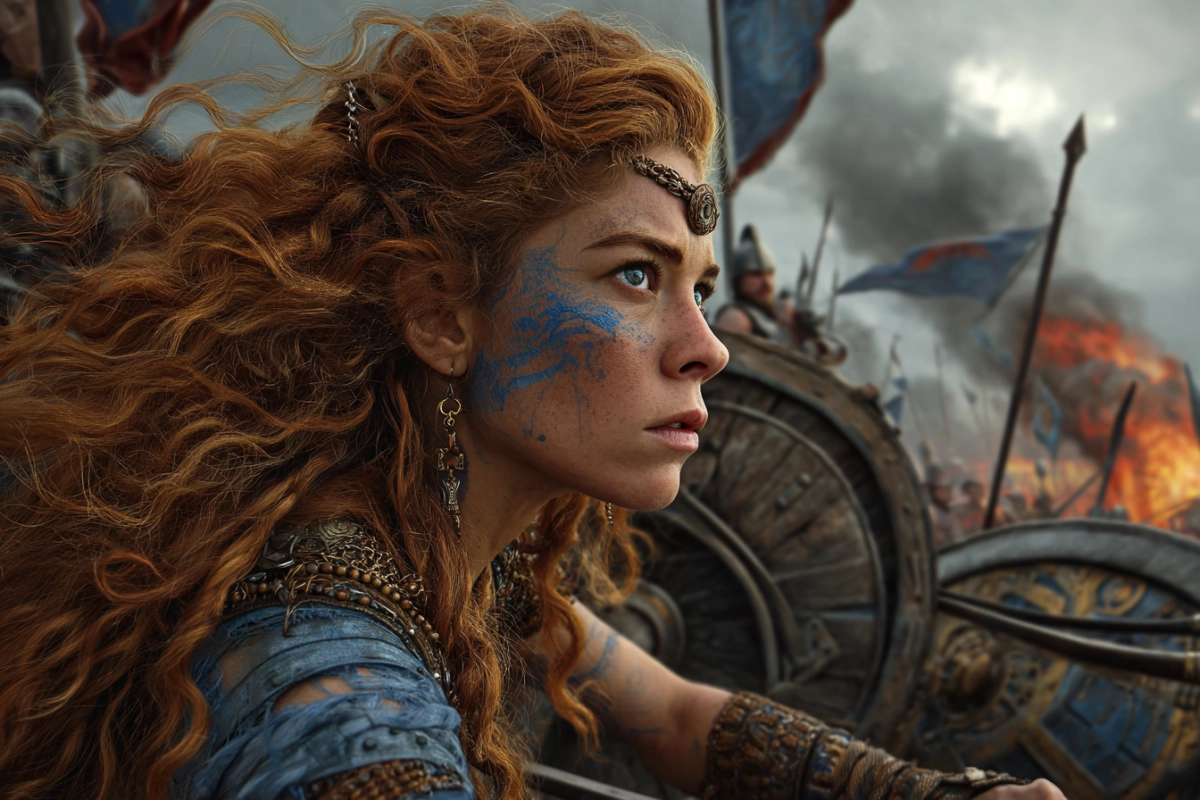
Decebalus (also “Decebal”) combined battlefield acumen with statecraft. He developed a defense-in-depth—terraced walls, stone-and-timber fortifications, and a network of mountain redoubts—supported by alliances and pragmatic diplomacy. On Trajan's Column reliefs, Rome even portrays him as a worthy adversary: composed, strategic, and resilient.
Culture at Sarmizegetusa Regia
Religion & ritual in the Dacian heartland
- Sanctuaries: Circular and rectangular sacred platforms near the citadel hosted ceremonies tied to seasonal cycles and kingship.
- Ritual terraces: Carefully leveled platforms integrated with waterworks suggest purification rites and processions.
- Syncretism: Contact with Rome and neighbors blended local cults with broader Danubian traditions.
These practices reinforced social cohesion and the divine legitimacy of Decebalus's rule, especially during wartime.
Why Trajan's Bridge Changed Everything
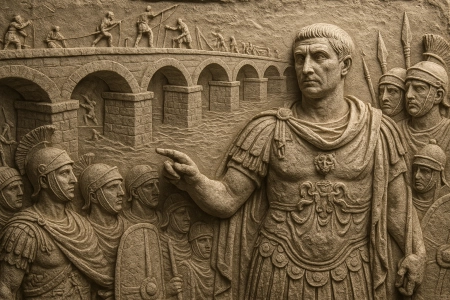
War on the Danube hinged on seasons, ferries, and risky crossings. By 105 CE, Trajan—advised by Apollodorus of Damascus—built a permanent bridge of stone piers and timber decking. This transformed the campaign from opportunistic raids to a sustained occupation force: legions, grain, siege engines, and cavalry could flow continuously into Dacia. The bridge neutralized river hazards, shortened supply chains, and let Rome coordinate multi-column advances. In short, it shifted the balance from Dacia's defensive terrain advantage to Rome's logistical supremacy, making the Second Dacian War decisive.
The First Dacian War (101-102 CE)
Trajan massed Roman legions on the Danube and advanced through the Iron Gates toward Tapae, the gateway to Dacia's interior. Fighting in broken, forested terrain favored Dacian ambushes, yet steady Roman pressure forced withdrawals and reduced outer defenses.
In 102 CE, a settlement compelled Dacia to return Roman deserters, demolish select fortresses, and accept Roman terms—yet Decebalus remained king. Peace proved temporary.
Between the Wars
Trajan treated the 102 truce as an interlude. He fortified depots, improved roads, and prepared for a final decision. Decebalus re-armed, rebuilt, and sought allies—Rome now had a pretext to renew the war.
The Second Dacian War (105-106 CE)
Engineering the Offensive
With Trajan's Bridge complete, Rome launched a multi-axis invasion, combining field battles with systematic sieges. Cutting water supplies and mining walls undermined Dacian fortresses.
Fall of Sarmizegetusa Regia
The assault on the capital broke the nerve center of resistance. Pursued by cavalry and auxiliaries, Decebalus ultimately chose death over capture in 106 CE, a moment depicted on Trajan's Column. Organized resistance collapsed; Rome annexed the region as Roman Dacia.
How Did Dacia Fall to Rome?
- Logistics & Engineering: The bridge, depots, and river flotillas enabled continuous supply.
- Operational Depth: Multi-column advances plus siegecraft neutralized mountain redoubts.
- Manpower & Material: Veteran legions and auxiliaries outmatched Dacia's resources.
- Persistence: The first war weakened; the second finished the kingdom.
Ultimately, a combination of military might, strategic ingenuity, and logistical planning led to the fall of Dacia and its incorporation into the Roman Empire.
| Phase | Dates | Roman objectives | Outcome |
|---|---|---|---|
| First Dacian War | 101—102 CE | Break Dacian power on the frontier, force concessions, and test logistics north of the Danube. | Roman victory and a harsh treaty, but Decebalus kept his throne and rebuilt his strength. |
| Interwar period | 102—105 CE | For Trajan—consolidate depots and roads; for Decebalus—rearm, fortify, and seek new allies. | Rising tension and mutual violations of the peace gave Rome a pretext for a final campaign. |
| Second Dacian War | 105—106 CE | Destroy Dacian resistance, capture the capital, and convert the kingdom into a Roman province. | Fall of Sarmizegetusa Regia, Decebalus's death, and creation of the province of Roman Dacia. |
Aftermath & Legacy
Roman Dacia
Rome founded Ulpia Traiana Sarmizegetusa (distinct from the Dacian capital), settled veterans, and extended roads and towns. Over time, Latin language and Roman customs spread, though the province remained a vigilant frontier.
Economy & Memory
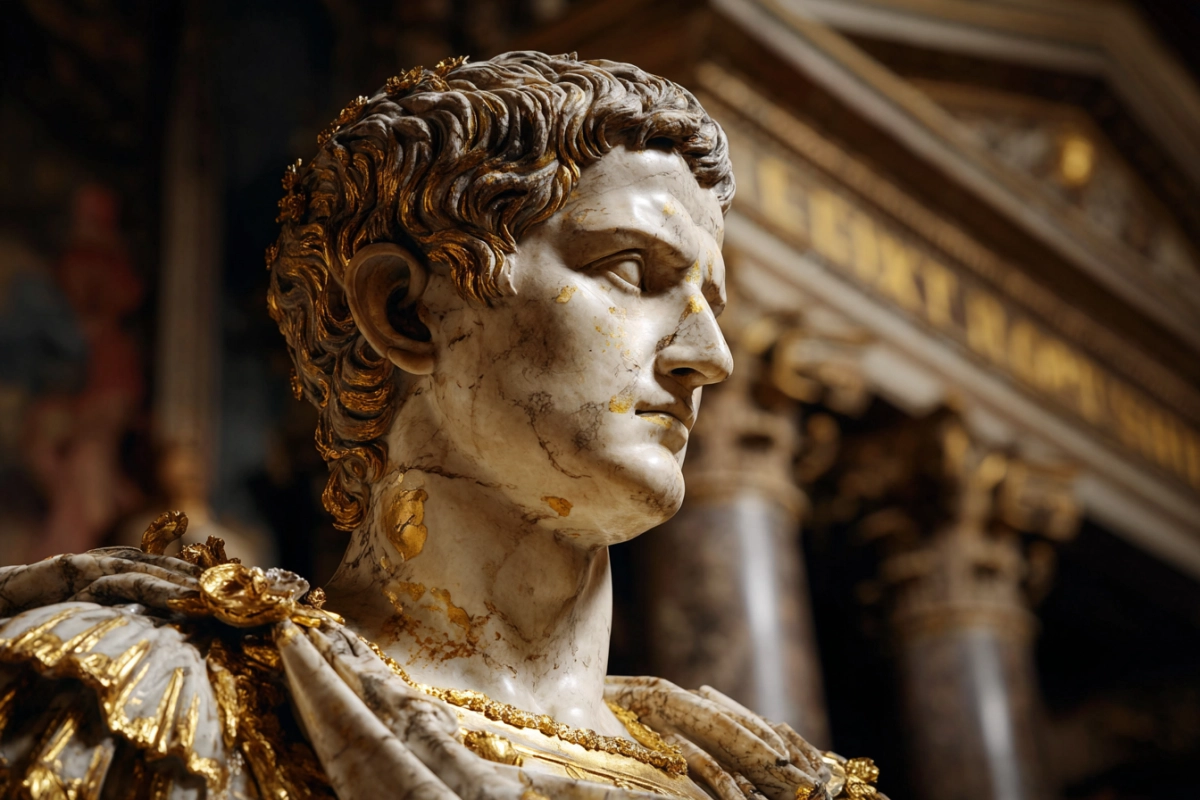
Access to gold mines financed Trajan's monumental building program. In Rome, Trajan's Column (113 CE) immortalized the campaigns in relief, offering a rare visual archive of frontier warfare.
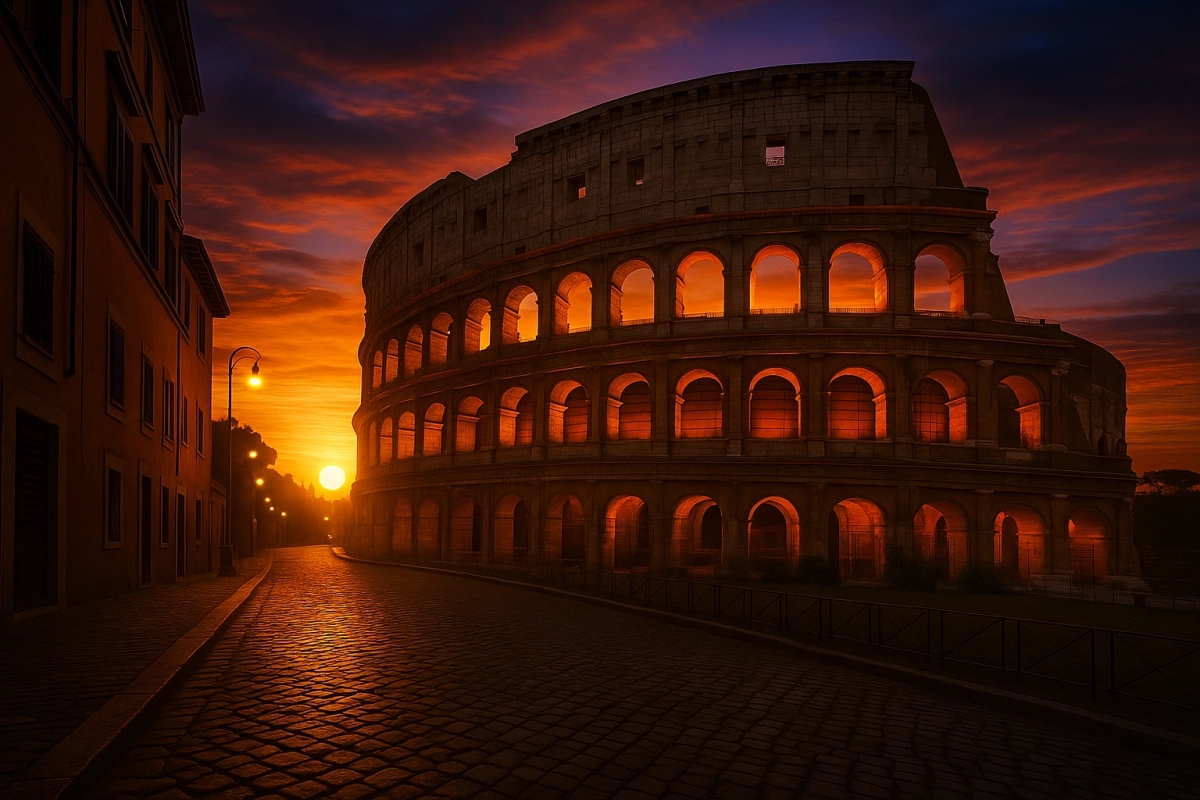
Part of that wealth flowed into Rome's building programme—from Trajan's own forum and markets to arenas where imperial victories were staged before the populace. Later visitors to the Roman Colosseum: Arena of Blood, Glory and Empire would watch spectacles financed in part by taxes and war spoils from frontier provinces like Dacia.
Debates & Open Questions
Devastation vs. Continuity
How destructive was the conquest? Scholars debate the scale of population dislocation and the survival of Dacian elites. Archaeology suggests both disruption and adaptation: new Roman towns flourished while some highland sites show reduced activity.
Timing & Scope of Romanization
Language, law, and urban life spread unevenly. In lowland corridors, Roman culture arrived quickly; in upland zones, continuity with Dacian lifeways persisted longer. The province became a frontier mosaic rather than a uniform “little Italy.”
Modern Romania has often remembered Decebalus as a heroic resister, while scholarship stresses the hybrid, Roman—Dacian character of life in and around the province. The Dacian Wars thus sit at the crossroads of ancient imperial policy and modern identity, raising questions about who gets to claim the past.
Curiosity Facts
Trajan's Column & Logistics: Reliefs show forts, depots, bridges, wagons, and river craft—evidence that supply lines powered victory.
Falx & Armor: The Dacian falx could shear shields and helmets; Romans added reinforcing bands and larger cheek pieces.
Dacian Gold: Rich mines helped fund Trajan's Forum and other monumental projects in Rome after the conquest.
Trajan's Bridge: Designed by Apollodorus of Damascus (105 CE), its stone piers and timber deck enabled continuous troop and supply movement across the Danube.
Conclusion
The Dacian Wars were a duel between a frontier kingdom and a superpower. Decebalus's fight for independence forced Rome to marshal its best: disciplined legions, relentless sieges, and unprecedented infrastructure. The result reshaped the Danube, enriched Rome, and carved a story in stone that still instructs us about power, logistics, and memory. Just as later transformations such as the printing press changed how people communicated about empires and wars, the Dacian campaigns remind us how military conflict—backed by engineering and resources—can permanently redraw the map.
Frequently Asked Questions
What were the Dacian Wars?
Two Roman campaigns led by Emperor Trajan against King Decebalus (101-102 and 105-106 CE), ending with the Roman conquest of Dacia.
Who was Decebalus?
The last independent King of Dacia, a strategist who built a defense-in-depth around Sarmizegetusa Regia and resisted Rome until his death in 106 CE.
How did Dacia fall to Rome?
Through logistical supremacy (depots, river fleets, Trajan's Bridge), multi-axis offensives, and sieges that broke the Dacian fortress network and capital.
Why was Trajan's Bridge so important?
Designed by Apollodorus of Damascus, it enabled continuous movement of legions, grain, and siege engines across the Danube, making the Second Dacian War decisive.
What happened at Sarmizegetusa Regia?
The Dacian capital—center of power, sanctuaries, and ritual terraces—fell to Roman siege, breaking coordinated Dacian resistance.
What does Trajan's Column tell us?
Its reliefs depict councils, bridges, forts, and sieges—visual evidence that logistics and engineering underpinned Rome's victory.
Where were the key battles fought?
On approaches like Tapae in the Carpathians and around the Orăștie Mountains, culminating at Sarmizegetusa Regia.
What changed after the conquest?
Rome formed the province of Roman Dacia, founded Ulpia Traiana Sarmizegetusa, settled veterans, and tapped the region's gold mines.
Are there Dacian sources for the wars?
Most written accounts of the Dacian Wars come from the Roman side—inscriptions, coins, and later historians such as Cassius Dio. For the Dacians themselves, archaeology carries much of the story: burned fortifications in the Orăștie Mountains, hoards of buried treasure, and the remains of sanctuaries at Sarmizegetusa Regia help balance the Roman narrative.
Where can I see remains of the Dacian Wars today?
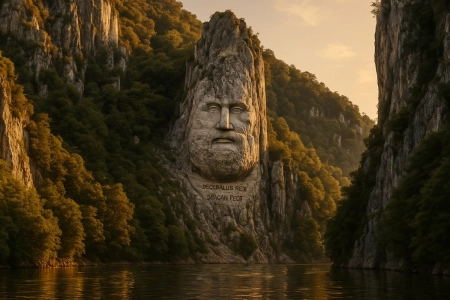
The clearest visual record is in Rome on Trajan's Column, whose spiralling reliefs show bridges, forts, and scenes with Decebalus himself. In modern Romania, visitors can explore the Dacian fortresses of the Orăștie Mountains, now a UNESCO World Heritage site, and the area around the rock sculpture of Decebalus at Orșova, which commemorates the king's later reception in national memory.
Sources & References
- Cassius Dio, Roman History, Book 68.
- Pliny the Younger, Panegyricus.
- Paul MacKendrick, The Dacian Stones Speak.
- G. Woolf, Rome: An Empire's Story.
- UNESCO: Dacian Fortresses of the Orăștie Mountains.
- Museum essays on Trajan's Column reliefs (British Museum; Met, Heilbrunn Timeline).
More Articles